
Paris for first time visitors can feel both thrilling and a little overwhelming, and that is completely normal for a city that packs this much history, food, art, and beauty into one place. The good news is that Paris is far more manageable than it looks on a map, and with a bit of planning you will find it one of the most rewarding cities on earth to explore on foot, by metro, and over long, unhurried lunches.
The Landmarks You Should Actually Prioritize
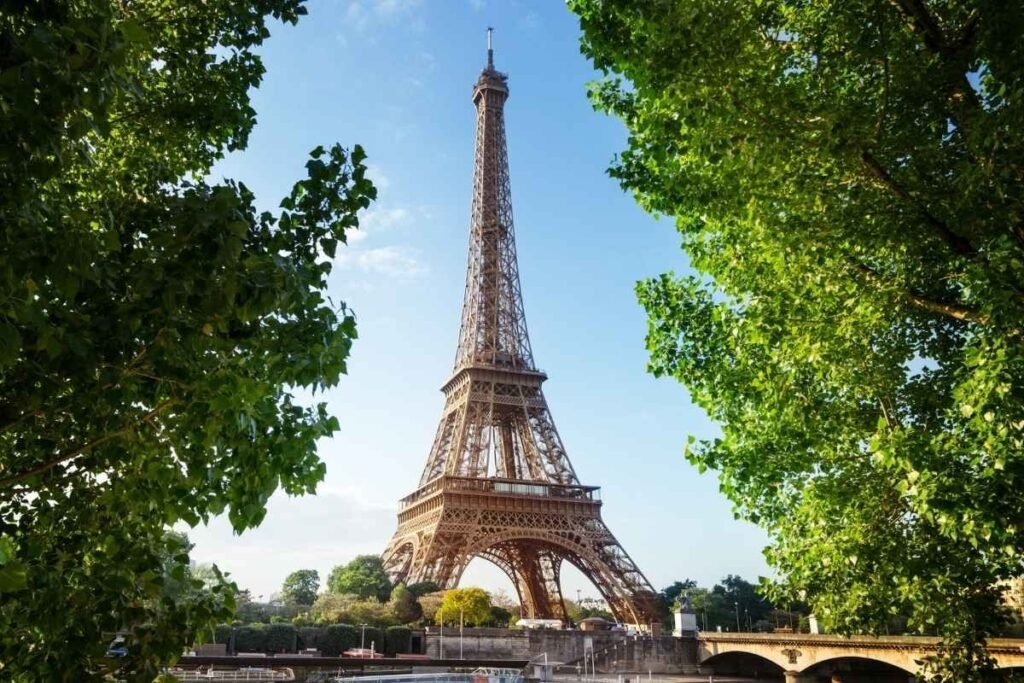
Every first-time visitor wants to see the Eiffel Tower, the Louvre, and Notre-Dame, and you absolutely should. But the order and approach matter a great deal. Start your first morning at the Eiffel Tower early, ideally before 9 a.m., when the queues are short and the light on the Seine is golden. Book your summit tickets online in advance through the official Toureiffel.paris website. Showing up without a reservation in 2026 almost guarantees a long wait or a sold-out experience.
Notre-Dame Cathedral reopened to visitors after its painstaking restoration, and it is genuinely breathtaking inside. Allocate at least an hour here and walk across to the Left Bank afterward for a coffee at one of the cafes along Rue Saint-Julien-le-Pauvre. The view back toward the cathedral from that angle is one of the most underrated in the city.
For the Louvre, be strategic. The museum is enormous and trying to see everything in one visit is a recipe for exhaustion. Pick two or three wings that genuinely interest you. The Italian painting collection, the ancient Greek sculpture rooms, and of course the Denon Wing where the Mona Lisa hangs are the most popular. Visit on a Wednesday or Friday evening when the museum stays open until 9:45 p.m. and the daytime crowds have thinned significantly.
- Book Eiffel Tower and Louvre tickets online well before your trip, not on the day.
- The Musée d’Orsay, housed in a former train station, often has shorter queues than the Louvre and contains some of the world’s finest Impressionist paintings.
- Sainte-Chapelle on the Île de la Cité is a small Gothic chapel with the most spectacular stained glass in Europe. It is frequently overlooked by first-timers and rarely crowded.
- The Palais Royal gardens near the Louvre are free, beautiful, and a perfect spot to rest between sights.
Getting Around and Choosing Where to Stay
Paris is divided into 20 arrondissements that spiral outward from the center of the city. For a first visit, staying in the 1st, 2nd, 3rd, 4th, 6th, or 7th arrondissement puts you within walking distance of the major sights and gives you a real feel for central Parisian life. The Marais neighborhood, which covers parts of the 3rd and 4th, is a particularly good base. It has excellent transport links, a mix of boutique hotels and apartment rentals at various price points, great restaurants, and is flat enough to walk comfortably.
The Paris Metro is fast, reliable, and covers the entire city. A carnet of 10 tickets used to be the standard recommendation, but in 2026 the best option for most visitors is a reloadable Navigo Easy card, available at any metro station for a small deposit. You can load individual tickets or day passes onto it and tap in at every turnstile without fumbling with paper tickets. The metro runs until around 1:15 a.m. on weekdays and 2:15 a.m. on weekends, so late dinners and evening strolls are very much possible without worrying about getting back.
Walking between many of the main sights is also highly recommended. The route from the Marais across the Île de la Cité to the Latin Quarter and up through Saint-Germain-des-Prés takes you past some of the most beautiful streets in the world and costs nothing at all.
- Avoid taking taxis from CDG airport to the city center if you are on a budget. The RER B train runs directly from both Terminal 2 and Terminal 3 to central Paris in about 35 minutes for a fraction of the taxi fare.
- Google Maps works well for Paris Metro navigation. Download an offline map before you arrive.
- Many Paris museums are free on the first Sunday of each month, including the Louvre and the Musée d’Orsay. Expect larger crowds on those days.
- Renting a Vélib bike for a day is a wonderful way to follow the Seine and cross between neighborhoods.
Eating, Drinking, and Acting Like a Local
Food is central to any Paris trip, and getting it right does not require a big budget. The classic French café breakfast of a croissant and a café crème at the zinc bar costs a few euros and is one of the great simple pleasures of Parisian life. Sit at the bar rather than a table for the lower price. Patisseries are everywhere, and you should absolutely stop at one daily. Look for a boulangerie with a handwritten sign in the window indicating it won a local or city award for its baguette. That is a reliable shortcut to quality.
For lunch, le menu or formule is your best friend. Most traditional bistros offer a two or three course set lunch for between 15 and 25 euros, which is often the same food served at dinner for significantly more. Lunch is the main meal of the day for many Parisians, and it is the ideal time to try a proper sit-down French meal without a large bill at the end.
A few habits will help you fit in immediately. Say bonjour when you enter any shop, café, or restaurant before saying anything else. It is considered rude not to, and it genuinely changes how warmly you are received. Tipping is not obligatory in France as service is included in the bill, but leaving a euro or two for good service at a café or rounding up at a restaurant is appreciated. Do not ask for a doggy bag. It is simply not done in traditional French restaurants, though the culture is slowly shifting in more casual spots.
- Rue Montorgueil in the 2nd arrondissement is one of the liveliest market streets in the city and a great place to assemble a picnic lunch.
- A picnic on the Champ de Mars with a view of the Eiffel Tower is free, romantic, and deeply Parisian. Pick up supplies from any nearby fromagerie, charcuterie, and boulangerie.
- The Canal Saint-Martin neighborhood in the 10th arrondissement has excellent, affordable restaurants popular with locals rather than tourists.
- Angelina on Rue de Rivoli is famous for its thick hot chocolate. The queue moves quickly and it is worth it at least once.
- Paris tap water is clean and free. Ask for une carafe d’eau at any restaurant and it will be brought to your table without charge.
